5 Communication Breakdowns That Haunt Every Live Event Tech Team
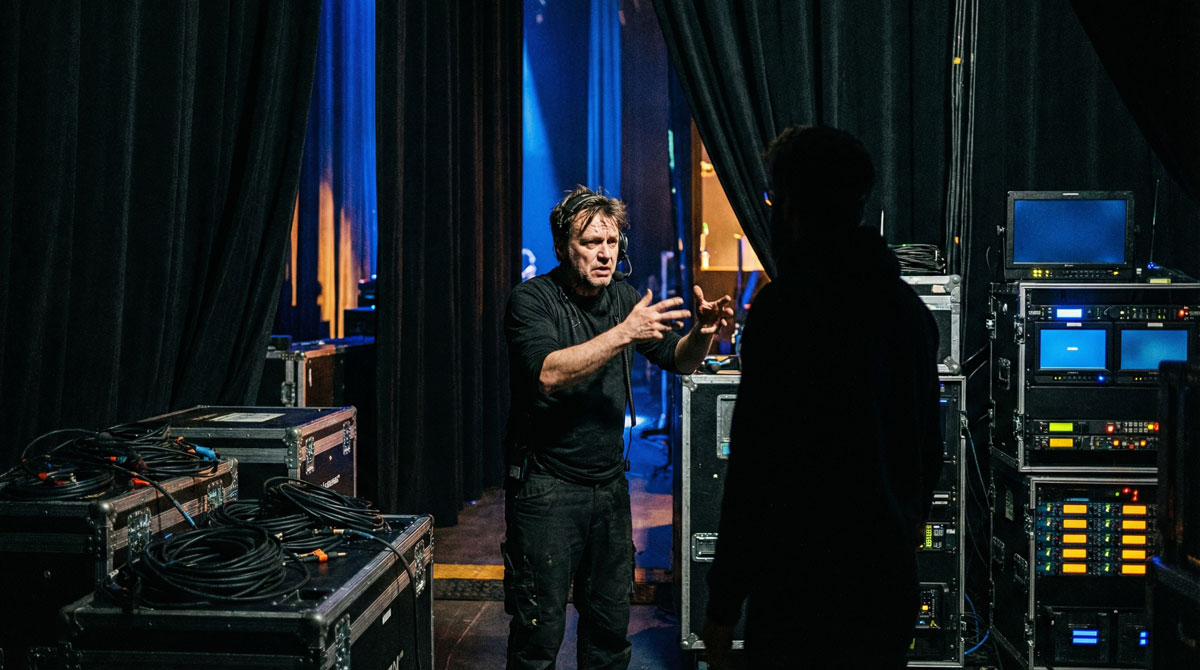
"Can anyone hear me?" might be the most stressful sentence in live production.
If you've ever worked on a tech team during a live event—whether it's a Sunday morning service, a conference keynote, or a concert—you already know the feeling. The lights are hot, the clock is ticking, and something just went sideways. You need to tell your team. But how?
That question sounds simple. In practice, it's anything but. After years of working with live event production teams, we've seen the same communication pain points surface again and again. Here are the five that cost teams the most—in stress, in mistakes, and in the quality of the experience they're producing.
1. The Walkie-Talkie Problem
Radios have been the backbone of live event communication for decades, and for good reason—they're reliable, instant, and don't need Wi-Fi. But they come with a critical flaw: everyone hears everything.
The Problem:
When your lighting operator is trying to coordinate a cue change and your camera team is troubleshooting a feed issue at the same time, the channel becomes chaos. Important messages get buried. People talk over each other. And the person running sound is now distracted by a conversation that has nothing to do with them.
Some teams try to solve this with multiple channels, but that introduces a new problem—people miss messages because they're on the wrong channel at the wrong time.
2. Texting Is Too Slow (and Too Loud)
So maybe your team has moved to group texts or messaging apps. Problem solved, right? Not quite.
The Problem:
During a live event, pulling out your phone to type a message takes your eyes and hands away from what you're doing. For a camera operator mid-shot or a sound engineer riding faders, that's not just inconvenient—it's a risk to the production.
Then there's the notification issue. A buzzing phone during a quiet moment in a service or presentation isn't just embarrassing. It's the kind of disruption your team exists to prevent.
3. No Way to Prioritise What's Urgent
The Problem:
Not all messages are created equal. "Projector bulb is getting dim" is important but not time-critical. "We've lost audio on the livestream" is a five-alarm fire. Most communication tools treat every message the same.
There's no built-in way to signal urgency, which means your team is left to figure out what matters most by reading tone or context—while simultaneously doing their jobs under pressure.
The Core Issue:
When everything feels urgent, nothing feels urgent. And that's when things get missed.
4. New Volunteers Are Left in the Dark
Every tech team depends on volunteers, and volunteer turnover is a reality. New team members show up eager to help but unsure of the shorthand, the workflow, or even who to ask when something goes wrong.
The Problem:
Experienced crew members develop their own communication rhythms over time—quick phrases, knowing glances, unspoken protocols. But none of that transfers easily to someone on their first or second week.
The result? New volunteers feel overwhelmed, experienced members feel burdened, and communication gaps widen at exactly the moments you can't afford them.
5. Post-Event Feedback Disappears
The ten minutes after an event ends might be the most valuable communication window of the whole day. That's when the issues are fresh, the fixes are obvious, and the team is still together. But in reality, everyone's packing up cables, and whatever went wrong gets filed under "we'll remember for next time."
The Problem:
Without a simple, persistent way to log issues and share notes in the moment, the same problems repeat week after week. The team never quite levels up because the feedback loop is broken.
Spoiler: next time, nobody remembers.
These Problems Are Solvable
The common thread in all five of these pain points isn't a lack of effort or skill. It's a lack of the right tool—something purpose-built for the unique demands of live event communication.
Your team doesn't need another generic messaging app. They need:
- Silent messaging — No buzzing phones or radio chatter
- Fast communication — One-tap messages that don't pull focus
- Role-aware routing — Messages go to the right people, not everyone
- Built for pressure — Designed for the reality of the live moment
That's exactly what we're building with CrewComm. A real-time, silent communication platform made specifically for live event tech teams. Purpose-built messaging that keeps your crew connected without the noise—literally.
We're launching soon.
Be among the first to try CrewComm—silent communication for teams that can't afford to miss a beat.
Join the WaitlistHave questions or want to share your own production horror story? Email us at hello@crew-comm.com
About CrewComm
CrewComm is a silent communication platform built specifically for live event tech teams. Built by tech volunteers for tech volunteers, it helps church production teams coordinate seamlessly during services without disruption.